
Editorial guide • Payal Graphics • 11 October 2026
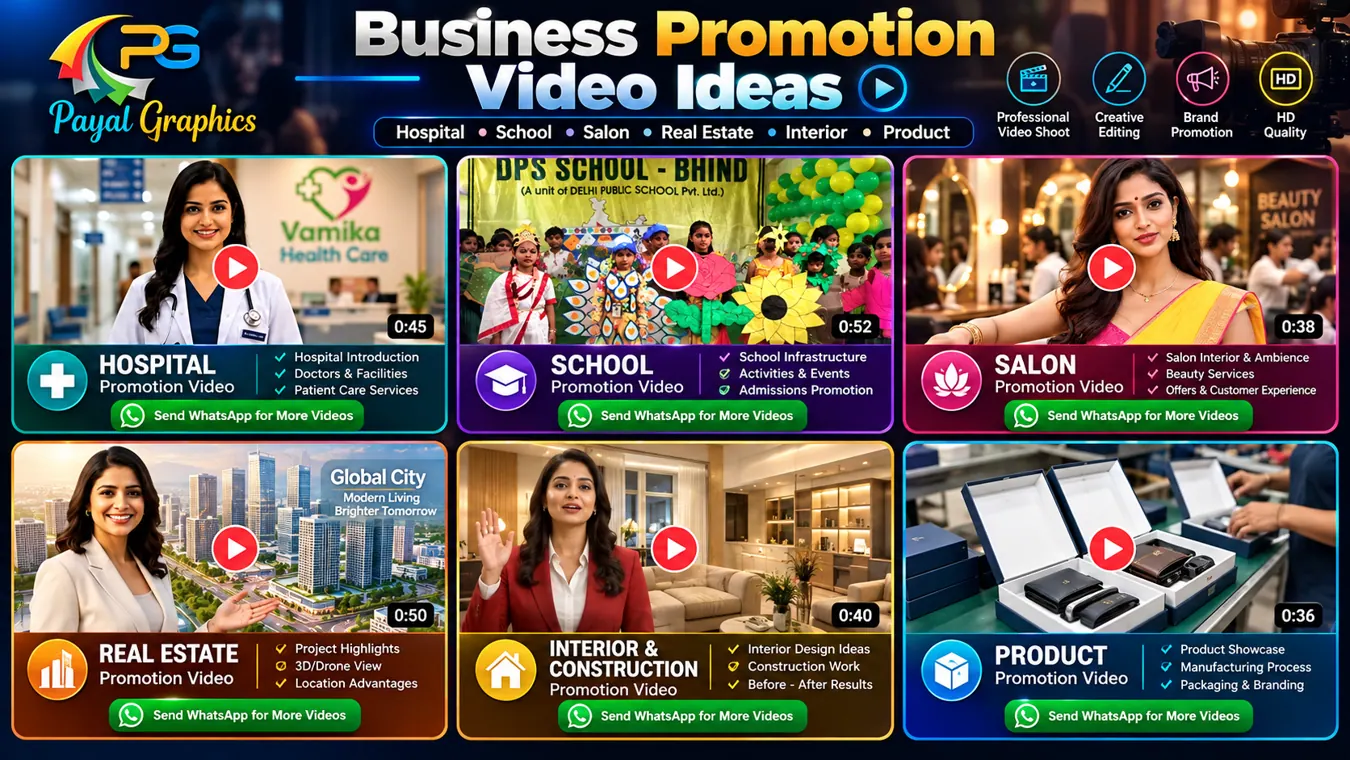
For interior designers, audiences often look for home interiors, modular kitchens, before/after layouts and craftsmanship. This guide focuses on a practical creative decision rather than promising that any one video, reel or banner will automatically generate sales. The intended viewers include homeowners and commercial clients, so the message, images and next steps should fit that real context.
Use a specific viewer problem, a helpful promise, proof and a single action. The best format will depend on what your audience is deciding, the material you already have and where the creative will appear.
Start with a specific, useful hook
A good opening tells the right viewer why to keep watching, rather than starting with several seconds of logo animation. Try a question about the service, or a factual point relevant to the decision the viewer is making.
Applied to Interior Designers, that could mean explaining room transformation, material highlights and estimate enquiry while using imagery or narration related to home interiors, modular kitchens, before/after layouts and craftsmanship. Consider whether the viewer is seeing your company for the first time or already knows the service.
Build the middle in three beats
First explain what is offered, then show useful proof or a clear process, and finally state who should contact you. Write narration in simple words and keep matching captions short enough for phones.
Applied to Interior Designers, that could mean explaining room transformation, material highlights and estimate enquiry while using imagery or narration related to home interiors, modular kitchens, before/after layouts and craftsmanship. Consider whether the viewer is seeing your company for the first time or already knows the service.
Storyboard before production
Divide the draft into scenes. For each scene write narration, on-screen text, suggested visual, approximate length and what needs approval. That saves editing rounds caused by missing photos or incorrect claims.
Applied to Interior Designers, that could mean explaining room transformation, material highlights and estimate enquiry while using imagery or narration related to home interiors, modular kitchens, before/after layouts and craftsmanship. Consider whether the viewer is seeing your company for the first time or already knows the service.
A practical checklist for your next creative
- Scene 1: viewer-specific question.
- Scene 2: the service or process explained.
- Scene 3: clear useful facts rather than general claims.
- Scene 4: contact details and next steps.
- Final review: speak the script aloud for pace.
Suggested call-to-action for Interior Designers
If the viewer needs more details, use a clear action such as room transformation, material highlights and estimate enquiry. That is more useful than asking people to “contact us” without explaining what they can request.
Before creating the asset, ask what evidence or original content can support it. If the subject involves home interiors, modular kitchens, before/after layouts and craftsmanship, the finished result should distinguish visual inspiration from confirmed information. Show genuine project work or label concepts. That review matters more than flashy visual transitions.
When to get design support
Send the business name, logo, images, message, audience, language, preferred dimensions and a reference you like. A designer can help turn that information into a storyboard, poster system or PDF layout with consistent hierarchy and a clear next step. Payal Graphics can discuss concepts and deliverables before you commission the final work.