
Editorial guide • Payal Graphics • 11 October 2026
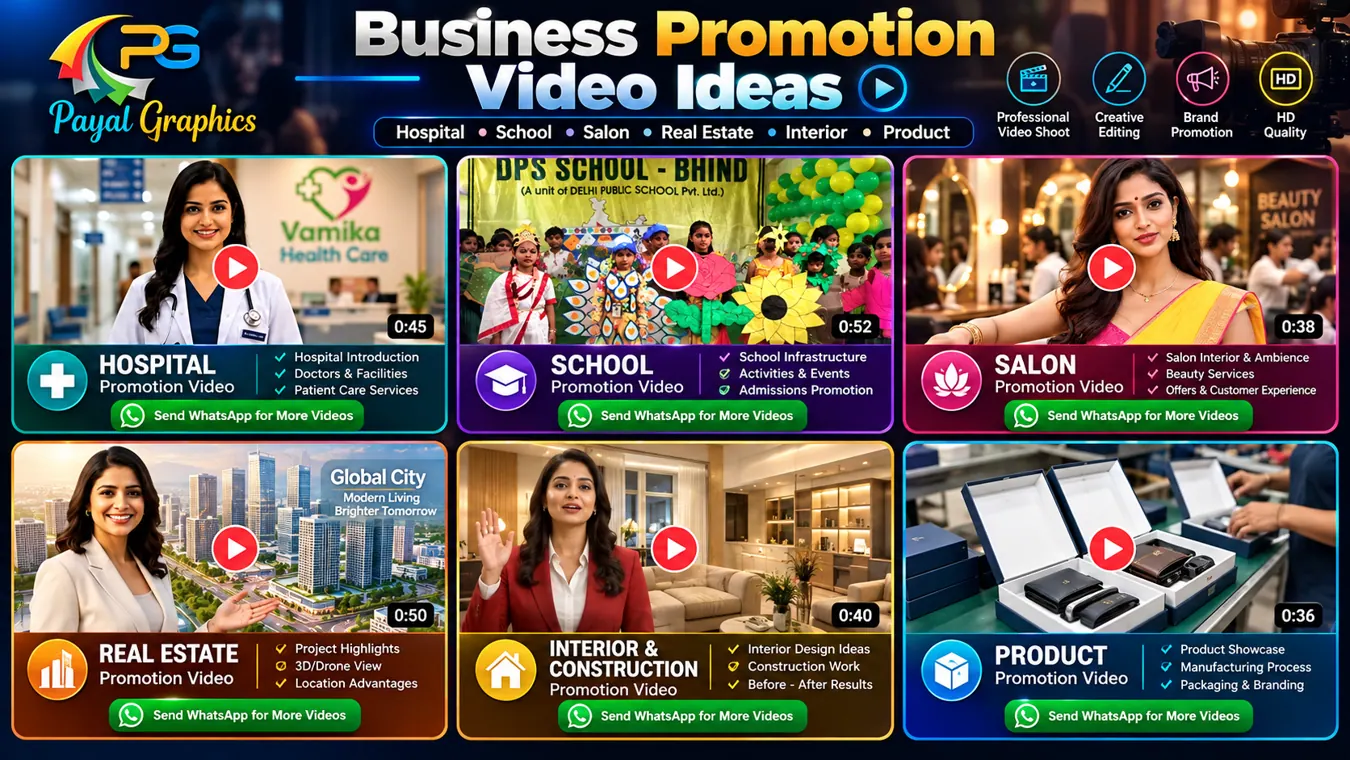
For ngos and charitable trusts, audiences often look for programmes, impact stories, community activities and donations. This guide focuses on a practical creative decision rather than promising that any one video, reel or banner will automatically generate sales. The intended viewers include donors, volunteers and beneficiaries, so the message, images and next steps should fit that real context.
Use AI to test creative directions while checking visual and factual accuracy. The best format will depend on what your audience is deciding, the material you already have and where the creative will appear.
Use AI as a creative tool, not factual evidence
AI can help test layouts, illustrative sequences, concepts and draft voiceover. It should not invent a real site, staff member, product certification or customer result and pass it off as authentic footage.
Applied to NGOs and Charitable Trusts, that could mean explaining mission, activity, transparent outcomes and ways to help while using imagery or narration related to programmes, impact stories, community activities and donations. Consider whether the viewer is seeing your company for the first time or already knows the service.
Prepare an approval-friendly storyboard
Label AI-generated visual concepts, list factual statements needing confirmation and review text closely. Provide real photos or videos wherever viewers need to trust a facility, product or location.
Applied to NGOs and Charitable Trusts, that could mean explaining mission, activity, transparent outcomes and ways to help while using imagery or narration related to programmes, impact stories, community activities and donations. Consider whether the viewer is seeing your company for the first time or already knows the service.
Combine human review with AI speed
Use brand colours, logo, accurate contact details, sensible pacing and native platform dimensions. Review faces, hands, text, signs and backgrounds carefully before delivery.
Applied to NGOs and Charitable Trusts, that could mean explaining mission, activity, transparent outcomes and ways to help while using imagery or narration related to programmes, impact stories, community activities and donations. Consider whether the viewer is seeing your company for the first time or already knows the service.
A practical checklist for your next creative
- List factual inputs separately from imagery.
- Mark concept scenes as illustrative.
- Proofread text generated inside frames.
- Check colours, people and location realism.
- Use a human final quality review.
Suggested call-to-action for NGOs and Charitable Trusts
If the viewer needs more details, use a clear action such as mission, activity, transparent outcomes and ways to help. That is more useful than asking people to “contact us” without explaining what they can request.
Before creating the asset, ask what evidence or original content can support it. If the subject involves programmes, impact stories, community activities and donations, the finished result should distinguish visual inspiration from confirmed information. Consent and verified impact statements. That review matters more than flashy visual transitions.
When to get design support
Send the business name, logo, images, message, audience, language, preferred dimensions and a reference you like. A designer can help turn that information into a storyboard, poster system or PDF layout with consistent hierarchy and a clear next step. Payal Graphics can discuss concepts and deliverables before you commission the final work.